Creating Single-Line Diagrams in Revit

This Electrical Building Design Show looks at best practices for using single-line diagrams in Revit for electrical engineers.
This Electrical Building Design Show looks at best practices for using single-line diagrams in Revit for electrical engineers.
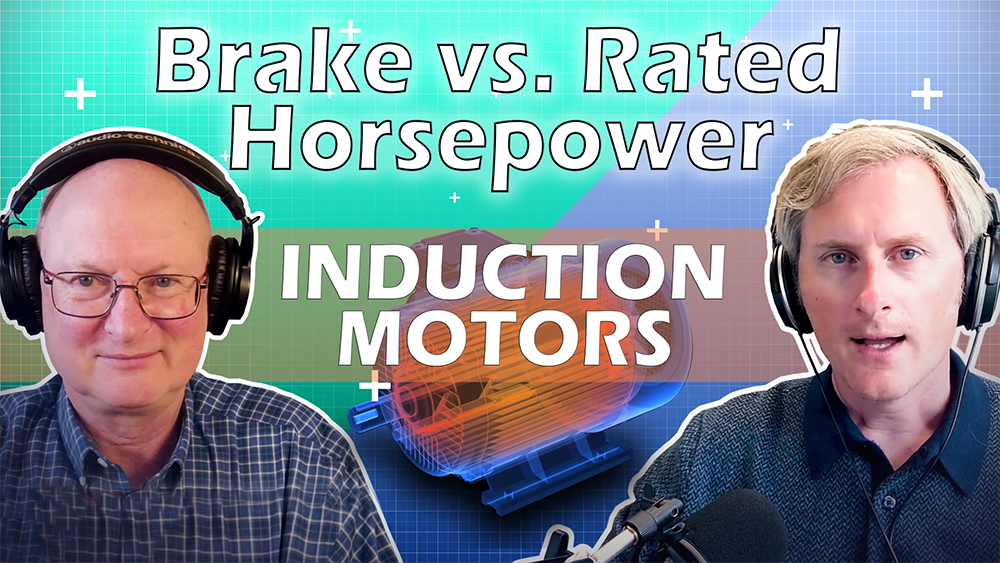
This post covers the fifth part of our Induction Motors series; focusing this time on the differences between brake and rated horsepower.
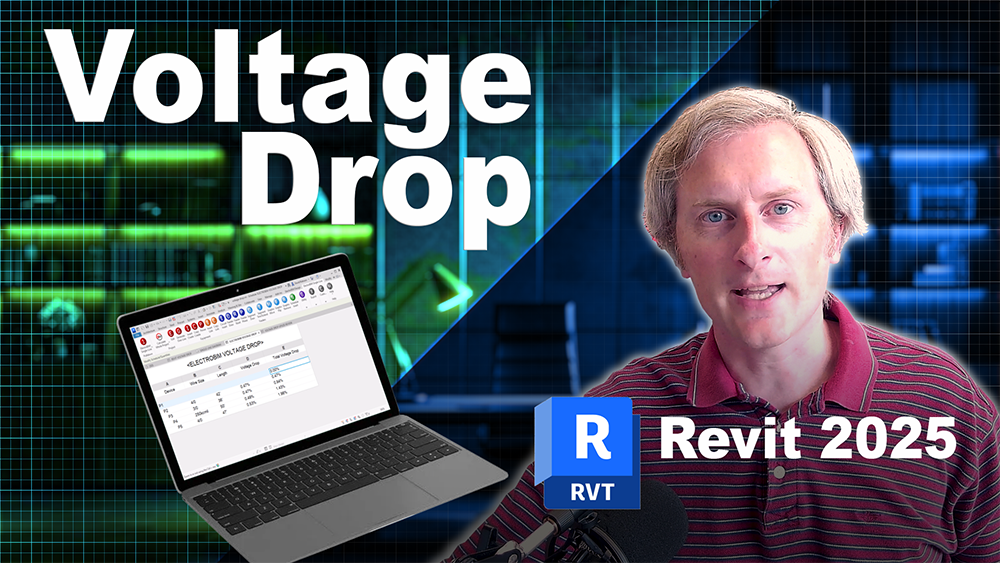
Since Revit 2025 is now available, we take a new look at the update and see what is available in terms of voltage drop calculations.
Continuing the exploration of Induction Motors, in part 4 we look at inrush current, help decipher motor fault contributions, and discuss how to choose the correct overcurrent protection.
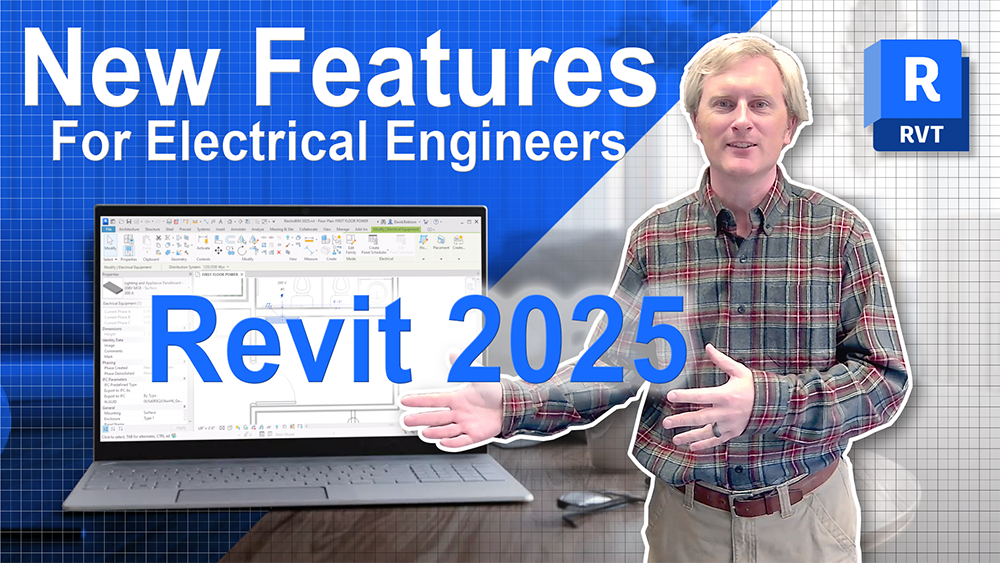
This Electrical Building Design Show looks at the features available in the recently released Revit 2025 for electrical engineers.
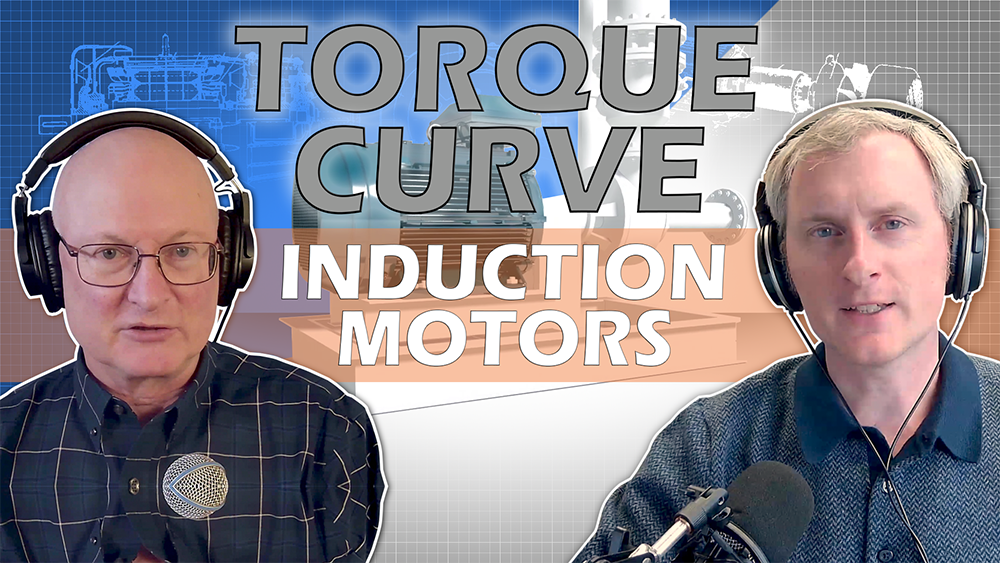
For the third part of our series on Induction Motors we look at torque curve and why motors stall with increased horsepower.
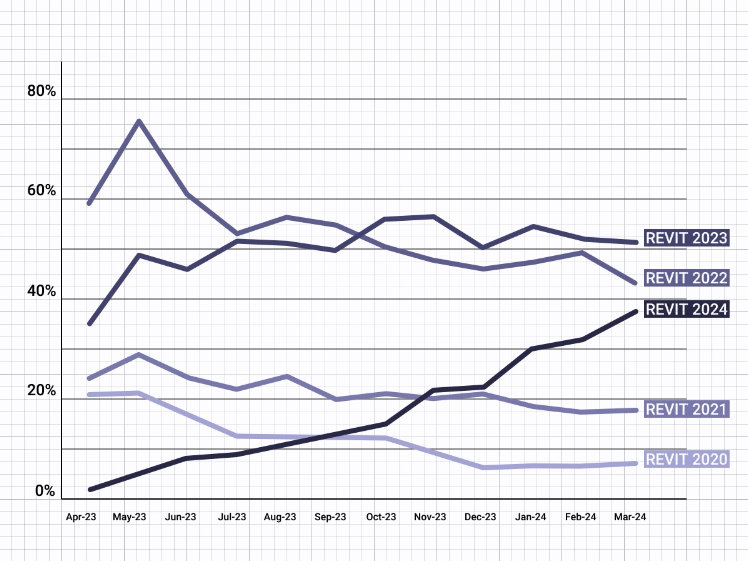
With the release of Revit 2025, the Electrical Building Design Show looks at past Revit version usage and adoption trends.
This post covers the second part of our Induction Motors series; this time focused on understanding their rotation.
Having a good understanding of induction motors helps engineers make better designs. Part one on this topic covers their basic principles, speed properties, and practical applications.
Revit boasts about its voltage drop calculations and the software’s ability to size wires and calculate voltage drop directly, however, the reality is far from ideal.